THE INDIAN CINEMA GUIDE

Hindi CINEMA · 1940
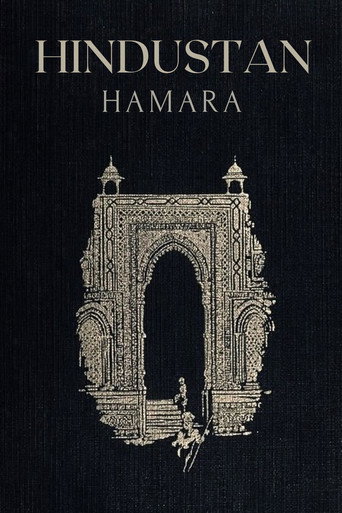
Hindustan Hamara
Overview
Feudal melodrama: Veena (Jamuna), daughter of an exploitative landlord and wife of the drunkard Chunilal (Shivdasani), defies her family and fights for the exploited peasantry. In the process she falls in love with the poor Madhu (Nandrekar). When her evil husband cannot undermine the peasants' unity he commits suicide. The heroine is disinherited by her father, but remains committed to nationalism. The film prominently deploys Gandhian symbols (e.g. the spinning wheel), and contrasts an idyllic notion of erstwhile India to the penury of its people today.
A closer look
Hindustan Hamara (1940) is a Hindi-language Indian movie. Directed by Ram Daryani. The cast includes Jamuna Barua, Nandrekar, Padmadevi, Gope. Runtime: 136 minutes.
Cast & crew

Beyond Hindustan Hamara
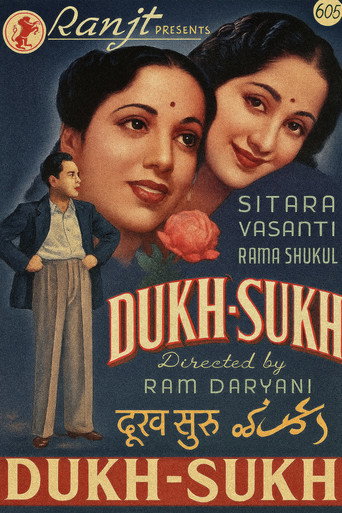
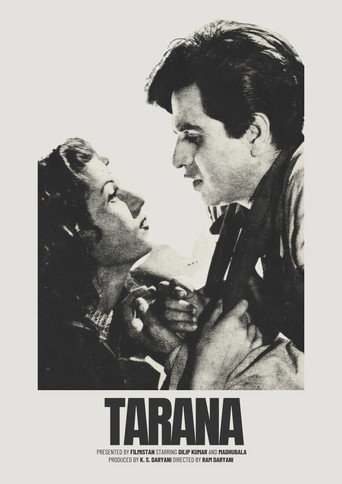
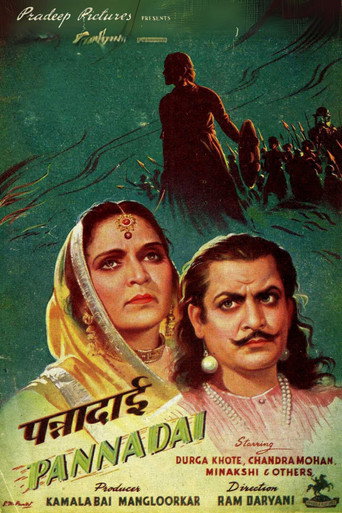
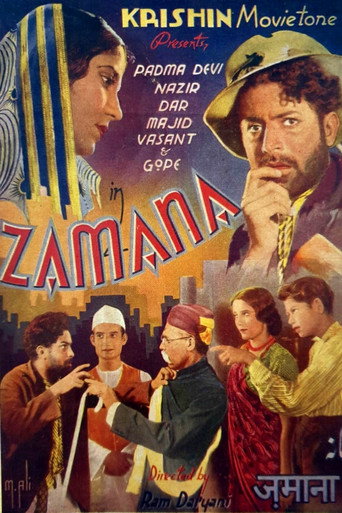
Explore other films featuring the people behind this movie.
Hindustan Hamara FAQs
Answers from the movie information available in our catalogue.
What is the original language of Hindustan Hamara?
Hindustan Hamara is listed as a Hindi-language movie in our catalogue. Dubbed versions are not tracked here.
What release date is listed for Hindustan Hamara?
Our source metadata lists 26 October 1940. Release dates can vary by country and may change; this does not confirm current cinema screenings.
Who directed Hindustan Hamara?
The listed director is Ram Daryani.
Who is in the cast of Hindustan Hamara?
The available cast credits include Jamuna Barua, Nandrekar, Padmadevi, Gope, Hari Shivdasani. See Cast & crew above for the available character names and profile links.
How long is Hindustan Hamara?
The recorded runtime is 136 minutes. Different cuts or releases may have a different duration.
What is Hindustan Hamara about?
Feudal melodrama: Veena (Jamuna), daughter of an exploitative landlord and wife of the drunkard Chunilal (Shivdasani), defies her family and fights for the exploited peasantry. In the process she falls in love with the poor Madhu (Nandrekar). When her evil husband cannot undermine the peasants' unity he commits suicide. The heroine is disinherited by her father, but remains committed to nationalism. The film prominently deploys Gandhian symbols (e.g. the spinning wheel), and contrasts an idyllic notion of erstwhile India to the penury of its people today.