THE INDIAN CINEMA GUIDE

Hindi CINEMA · 1924
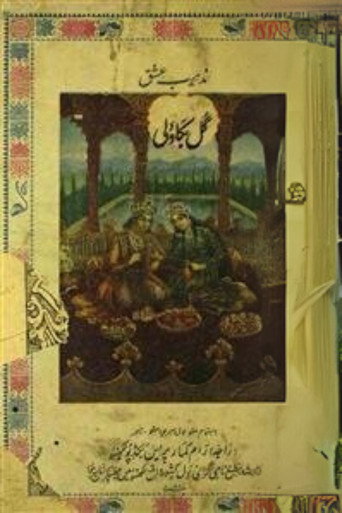
Gul-e-Bakavali
Overview
Based on a popular legend, this silent film tells the story of the fairy Bakavali and her divine flower, the Gul, which possesses healing powers. Taj-ul-Mulk, a prince from the East, seeks the flower to cure his blind father. The legend's origins are debated: one version traces it to a 19th-century translation of a Persian tale, while another points to a 16th-century narrative from Abely Sheikh. The story was a favorite on the Parsee stage, particularly the scenes where Taj-ul-Mulk battles his villainous brothers, who steal the flower. The tale also features Bakavali turning to stone and her eventual human rebirth.
A closer look
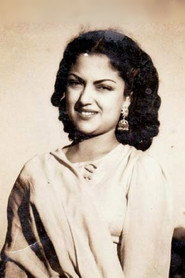
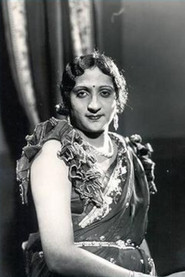
Gul-e-Bakavali (1924) is a Hindi-language Indian movie. Directed by Kanjibhai Rathod. The cast includes Ahmed Khalil, Sultana, Zubeida, Moti.
Cast & crew

Beyond Gul-e-Bakavali
Explore other films featuring the people behind this movie.
Gul-e-Bakavali FAQs
Answers from the movie information available in our catalogue.
What is the original language of Gul-e-Bakavali?
Gul-e-Bakavali is listed as a Hindi-language movie in our catalogue. Dubbed versions are not tracked here.
What release date is listed for Gul-e-Bakavali?
Our source metadata lists 27 June 1924. Release dates can vary by country and may change; this does not confirm current cinema screenings.
Who directed Gul-e-Bakavali?
The listed director is Kanjibhai Rathod.
Who is in the cast of Gul-e-Bakavali?
The available cast credits include Ahmed Khalil, Sultana, Zubeida, Moti, Jamna. See Cast & crew above for the available character names and profile links.
What is Gul-e-Bakavali about?
Based on a popular legend, this silent film tells the story of the fairy Bakavali and her divine flower, the Gul, which possesses healing powers. Taj-ul-Mulk, a prince from the East, seeks the flower to cure his blind father. The legend's origins are debated: one version traces it to a 19th-century translation of a Persian tale, while another points to a 16th-century narrative from Abely Sheikh. The story was a favorite on the Parsee stage, particularly the scenes where Taj-ul-Mulk battles his villainous brothers, who steal the flower. The tale also features Bakavali turning to stone and her eventual human rebirth.