THE INDIAN CINEMA GUIDE

Gujarati CINEMA · 1932
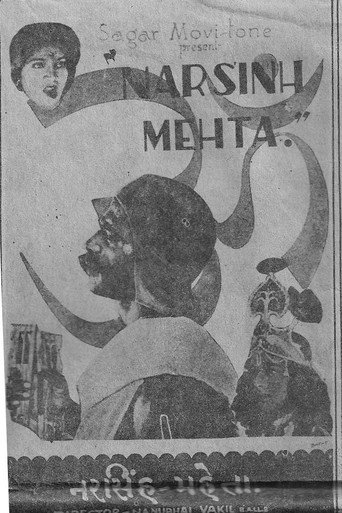
Narasinh Mehta
Overview
The first Gujarati feature film is a saint film about the life of Narasinh Mehta (1408-75), played by Master Manhar. Mehta is known for his evocative Prabhatiyan (morning hymns) and especially for his composition Vaishnava jana to ('The Vaishnav is he who knows the pain of others') made popular by Gandhi, who also adapted the poet's term Harijan (children of god) for the nation's Untouchables. The film adheres to the Gandhian interpretation of Narasinh Mehta's work, avoiding e.g. miracle scenes.
A closer look
Narasinh Mehta (1932) is a Gujarati-language Indian movie. Genres: Drama. Directed by Nanubhai Vakil. The cast includes Mohanlala, Maruti Rao, Master Manhar, Master Bachhu. Runtime: 139 minutes.
Cast & crew

Beyond Narasinh Mehta
Explore other films featuring the people behind this movie.
Narasinh Mehta FAQs
Answers from the movie information available in our catalogue.
What is the original language of Narasinh Mehta?
Narasinh Mehta is listed as a Gujarati-language movie in our catalogue. Dubbed versions are not tracked here.
What release date is listed for Narasinh Mehta?
Our source metadata lists 7 April 1932. Release dates can vary by country and may change; this does not confirm current cinema screenings.
Who directed Narasinh Mehta?
The listed director is Nanubhai Vakil.
Who is in the cast of Narasinh Mehta?
The available cast credits include Mohanlala, Maruti Rao, Master Manhar, Master Bachhu, Umakant Desai. See Cast & crew above for the available character names and profile links.
How long is Narasinh Mehta?
The recorded runtime is 139 minutes. Different cuts or releases may have a different duration.
What type of movie is Narasinh Mehta?
The source lists these genres: Drama.
What is Narasinh Mehta about?
The first Gujarati feature film is a saint film about the life of Narasinh Mehta (1408-75), played by Master Manhar. Mehta is known for his evocative Prabhatiyan (morning hymns) and especially for his composition Vaishnava jana to ('The Vaishnav is he who knows the pain of others') made popular by Gandhi, who also adapted the poet's term Harijan (children of god) for the nation's Untouchables. The film adheres to the Gandhian interpretation of Narasinh Mehta's work, avoiding e.g. miracle scenes.