THE INDIAN CINEMA GUIDE

Malayalam CINEMA · 1983
Veena Poovu
വീണപൂവ്
The fallen flower
Overview
A young musician falls in love with Sumangala, the daughter of an impoverished Brahmin in a village of the Namboodiri community. Obeying her father, the young woman marries a member of her own community. The drama is further heightened by first equating Sumangala with the mystificatory folk rituals the musician sets out to discover, and then by the book of poems in which he expresses her condition. The lovers remain separated, with dire consequences, especially for the woman.
A closer look
Veena Poovu (1983) is a Malayalam-language Indian movie. Genres: Drama. Directed by Ambili. The cast includes Nedumudi Venu, Shankar, Uma Bharani, Sukumari. Runtime: 125 minutes.
Cast & crew




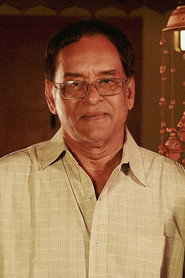
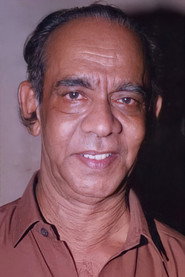
Beyond Veena Poovu
Explore other films featuring the people behind this movie.
Veena Poovu FAQs
Answers from the movie information available in our catalogue.
What is the original language of Veena Poovu?
Veena Poovu is listed as a Malayalam-language movie in our catalogue. Dubbed versions are not tracked here.
What release date is listed for Veena Poovu?
Our source metadata lists 21 January 1983. Release dates can vary by country and may change; this does not confirm current cinema screenings.
Who directed Veena Poovu?
The listed director is Ambili.
Who is in the cast of Veena Poovu?
The available cast credits include Nedumudi Venu, Shankar, Uma Bharani, Sukumari, Babu Namboothiri. See Cast & crew above for the available character names and profile links.
How long is Veena Poovu?
The recorded runtime is 125 minutes. Different cuts or releases may have a different duration.
What type of movie is Veena Poovu?
The source lists these genres: Drama.
What is the original title of Veena Poovu?
The original title in our source data is വീണപൂവ്. The English-letter display name may be a romanization.
What is Veena Poovu about?
A young musician falls in love with Sumangala, the daughter of an impoverished Brahmin in a village of the Namboodiri community. Obeying her father, the young woman marries a member of her own community. The drama is further heightened by first equating Sumangala with the mystificatory folk rituals the musician sets out to discover, and then by the book of poems in which he expresses her condition. The lovers remain separated, with dire consequences, especially for the woman.