THE INDIAN CINEMA GUIDE

Hindi CINEMA · 2021
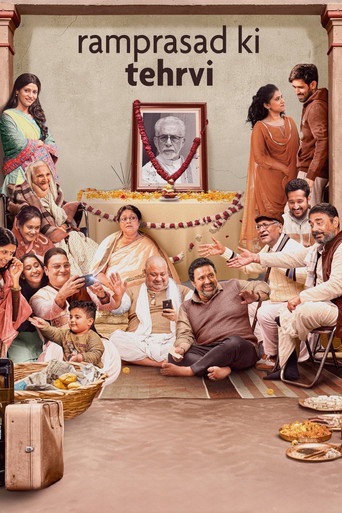
Ramprasad Ki Tehrvi
रामप्रसाद की तेहरवी
Audience rating
Source: TMDB23 votes
Overview
Ramprasad's entire family gathers under one roof for 13 days after his death, to perform and observe the Hindu traditions and rituals called the tehrvi. During the course, the family’s dynamics, politics, and insecurities come out, and then they realise that the importance of people and things are only evident in retrospect.
A closer look
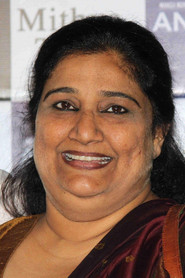
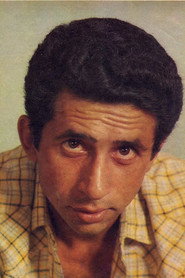
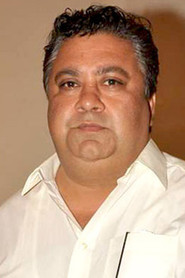
Ramprasad Ki Tehrvi (2021) is a Hindi-language Indian movie. Genres: Comedy, Drama, Family. Directed by Seema Pahwa. The cast includes Naseeruddin Shah, Parambrata Chatterjee, Konkona Sen Sharma, Manoj Pahwa. Runtime: 106 minutes.
Cast & crew





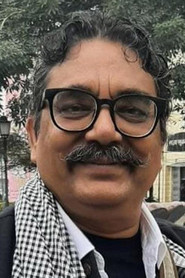



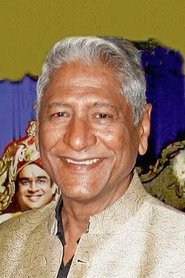



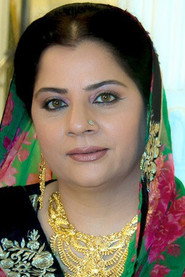




Beyond Ramprasad Ki Tehrvi
Explore other films featuring the people behind this movie.
Ramprasad Ki Tehrvi FAQs
Answers from the movie information available in our catalogue.
What is the original language of Ramprasad Ki Tehrvi?
Ramprasad Ki Tehrvi is listed as a Hindi-language movie in our catalogue. Dubbed versions are not tracked here.
What release date is listed for Ramprasad Ki Tehrvi?
Our source metadata lists 1 January 2021. Release dates can vary by country and may change; this does not confirm current cinema screenings.
Who directed Ramprasad Ki Tehrvi?
The listed director is Seema Pahwa.
Who is in the cast of Ramprasad Ki Tehrvi?
The available cast credits include Naseeruddin Shah, Parambrata Chatterjee, Konkona Sen Sharma, Manoj Pahwa, Vinay Pathak. See Cast & crew above for the available character names and profile links.
How long is Ramprasad Ki Tehrvi?
The recorded runtime is 106 minutes. Different cuts or releases may have a different duration.
What type of movie is Ramprasad Ki Tehrvi?
The source lists these genres: Comedy, Drama, Family.
What is the original title of Ramprasad Ki Tehrvi?
The original title in our source data is रामप्रसाद की तेहरवी. The English-letter display name may be a romanization.
What is Ramprasad Ki Tehrvi about?
Ramprasad's entire family gathers under one roof for 13 days after his death, to perform and observe the Hindu traditions and rituals called the tehrvi. During the course, the family’s dynamics, politics, and insecurities come out, and then they realise that the importance of people and things are only evident in retrospect.