THE INDIAN CINEMA GUIDE

Urdu CINEMA · 1954
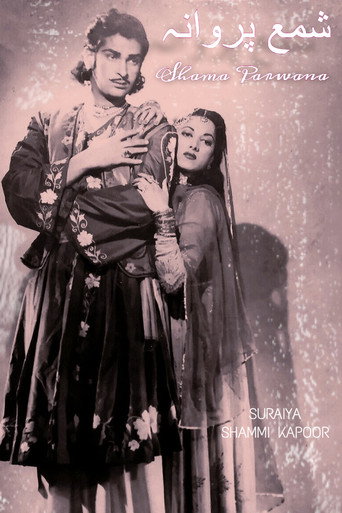
Shama Parwana
Audience rating
Source: TMDB2 votes
Overview
Gul Mirza is a poet who sings ghazals at Shahenshah Arkat-Ul-Daula's palace and wins the heart of his daughter, Sahebzadi Aalam. They agree to marry once he finishes his service in the royal army. But when his widowed mother is murdered one night, Gul Mirza speaks out against Arkat and gets labeled a rebel, perhaps never able to meet Aalam again. Inspired by a famous legend from the Mughal era.
A closer look
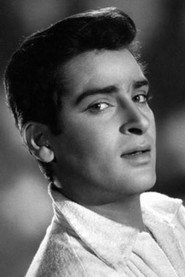
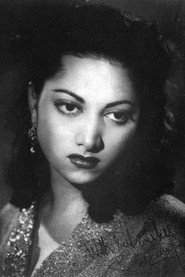
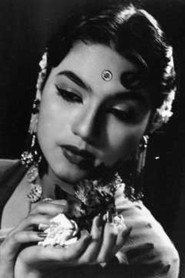
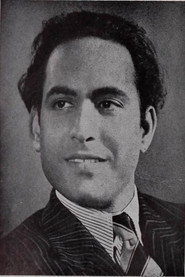
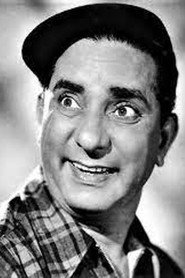
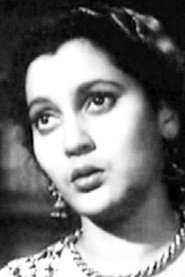
Shama Parwana (1954) is a Urdu-language Indian movie. Genres: Drama. Directed by D.D. Kashyap. The cast includes Shammi Kapoor, Suraiya, Kumari Naaz, Ulhas. Runtime: 147 minutes.
Cast & crew

Beyond Shama Parwana
Explore other films featuring the people behind this movie.
Shama Parwana FAQs
Answers from the movie information available in our catalogue.
What is the original language of Shama Parwana?
Shama Parwana is listed as a Urdu-language movie in our catalogue. Dubbed versions are not tracked here.
What release date is listed for Shama Parwana?
Our source metadata lists 1 January 1954. Release dates can vary by country and may change; this does not confirm current cinema screenings.
Who directed Shama Parwana?
The listed director is D.D. Kashyap.
Who is in the cast of Shama Parwana?
The available cast credits include Shammi Kapoor, Suraiya, Kumari Naaz, Ulhas, Sunder. See Cast & crew above for the available character names and profile links.
How long is Shama Parwana?
The recorded runtime is 147 minutes. Different cuts or releases may have a different duration.
What type of movie is Shama Parwana?
The source lists these genres: Drama.
What is Shama Parwana about?
Gul Mirza is a poet who sings ghazals at Shahenshah Arkat-Ul-Daula's palace and wins the heart of his daughter, Sahebzadi Aalam. They agree to marry once he finishes his service in the royal army. But when his widowed mother is murdered one night, Gul Mirza speaks out against Arkat and gets labeled a rebel, perhaps never able to meet Aalam again. Inspired by a famous legend from the Mughal era.