THE INDIAN CINEMA GUIDE

Hindi CINEMA · 1976
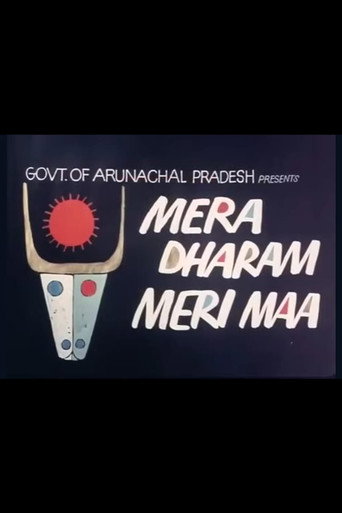
Mera Dharam Meri Maa
Audience rating
Source: TMDB1 votes
Overview
Mera Dharam Meri Maa tells the story of two brothers, Takar and Talo, their moral choices and where those choices lead to. Set in the era when the present-day Arunachal Pradesh was called NEFA, the film also gives a glimpse of the life and culture of the people who have seen the inception of Arunachal Pradesh as a full-fledged state as we know today.
A closer look
Mera Dharam Meri Maa (1976) is a Hindi-language Indian movie. Genres: Drama. Directed by Bhupen Hazarika. The cast includes Nabam Tata, Bengia Mala, Tadu Tayung, Asangla Ao. Runtime: 107 minutes.
Cast & crew

Beyond Mera Dharam Meri Maa
Explore other films featuring the people behind this movie.
Mera Dharam Meri Maa FAQs
Answers from the movie information available in our catalogue.
What is the original language of Mera Dharam Meri Maa?
Mera Dharam Meri Maa is listed as a Hindi-language movie in our catalogue. Dubbed versions are not tracked here.
What release date is listed for Mera Dharam Meri Maa?
Our source metadata lists 31 March 1976. Release dates can vary by country and may change; this does not confirm current cinema screenings.
Who directed Mera Dharam Meri Maa?
The listed director is Bhupen Hazarika.
Who is in the cast of Mera Dharam Meri Maa?
The available cast credits include Nabam Tata, Bengia Mala, Tadu Tayung, Asangla Ao, Taba Tajo. See Cast & crew above for the available character names and profile links.
How long is Mera Dharam Meri Maa?
The recorded runtime is 107 minutes. Different cuts or releases may have a different duration.
What type of movie is Mera Dharam Meri Maa?
The source lists these genres: Drama.
What is Mera Dharam Meri Maa about?
Mera Dharam Meri Maa tells the story of two brothers, Takar and Talo, their moral choices and where those choices lead to. Set in the era when the present-day Arunachal Pradesh was called NEFA, the film also gives a glimpse of the life and culture of the people who have seen the inception of Arunachal Pradesh as a full-fledged state as we know today.