THE INDIAN CINEMA GUIDE

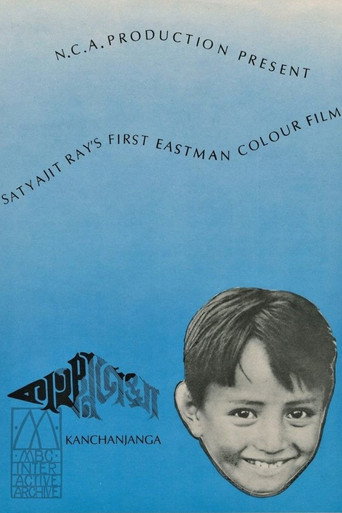
Bengali CINEMA · 1962
Kanchenjungha
কাঞ্চনজঙ্ঘা
Audience rating
Source: TMDB16 votes
Overview
Played out in real time, several complex family dramas intersect in the landscape of the Himalayan foothills, allowing the Bengali auteur to examine the class and generational differences of postcolonial India while celebrating the hopes of a society in transition.
A closer look
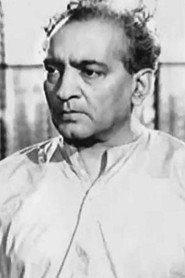
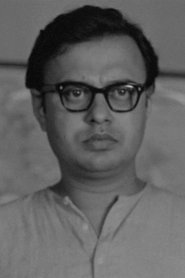
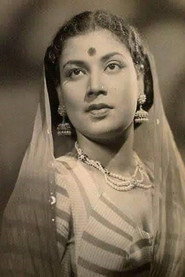
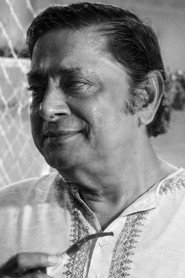
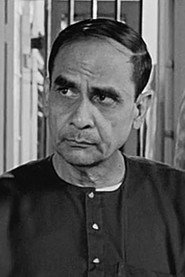
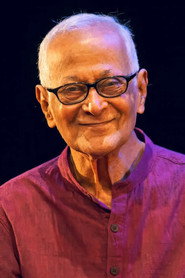
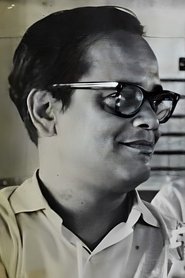
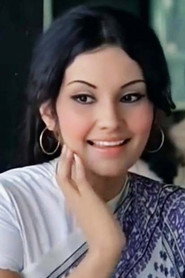
Kanchenjungha (1962) is a Bengali-language Indian movie. Genres: Drama. Directed by Satyajit Ray. The cast includes Chhabi Biswas, Karuna Banerjee, Pahadi Sanyal, Anil Chatterjee. Runtime: 102 minutes.
Cast & crew
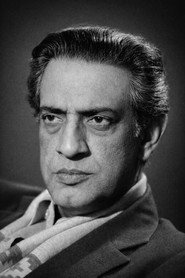
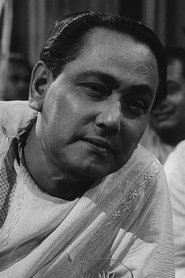
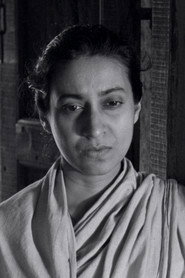


Beyond Kanchenjungha
Explore other films featuring the people behind this movie.
Kanchenjungha FAQs
Answers from the movie information available in our catalogue.
What is the original language of Kanchenjungha?
Kanchenjungha is listed as a Bengali-language movie in our catalogue. Dubbed versions are not tracked here.
What release date is listed for Kanchenjungha?
Our source metadata lists 11 May 1962. Release dates can vary by country and may change; this does not confirm current cinema screenings.
Who directed Kanchenjungha?
The listed director is Satyajit Ray.
Who is in the cast of Kanchenjungha?
The available cast credits include Chhabi Biswas, Karuna Banerjee, Pahadi Sanyal, Anil Chatterjee, Anubha Gupta. See Cast & crew above for the available character names and profile links.
How long is Kanchenjungha?
The recorded runtime is 102 minutes. Different cuts or releases may have a different duration.
What type of movie is Kanchenjungha?
The source lists these genres: Drama.
What is the original title of Kanchenjungha?
The original title in our source data is কাঞ্চনজঙ্ঘা. The English-letter display name may be a romanization.
What is Kanchenjungha about?
Played out in real time, several complex family dramas intersect in the landscape of the Himalayan foothills, allowing the Bengali auteur to examine the class and generational differences of postcolonial India while celebrating the hopes of a society in transition.