THE INDIAN CINEMA GUIDE

Bengali CINEMA · 1964
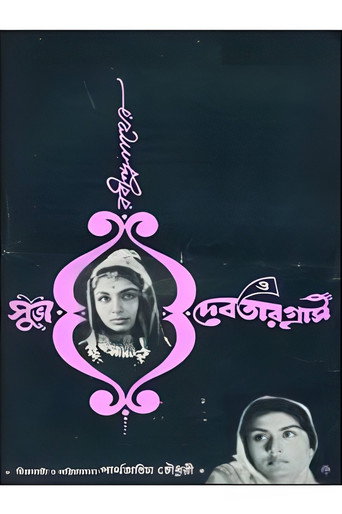
Subho O Debotar Gras
শুভ ও দেবতার গ্রাস
Overview
Subho O Debotar Gras was a film in 2 parts- one was the story of the deaf-mute Shubha who features in a short story by Rabindranath Tagore & the second part was based on the poem titled "Debotar Gras", in which Tagore describes the frantic desire of a dip in holy waters during the Ganga Sagar pilgrimage as well as the selfishness of the pilgrims.
A closer look
Subho O Debotar Gras (1964) is a Bengali-language Indian movie. Genres: Drama. Directed by Partha Pratim Chowdhury. The cast includes Rabi Ghosh, Lily Chakravarty, Sharmila Tagore, Bikash Roy.
Cast & crew
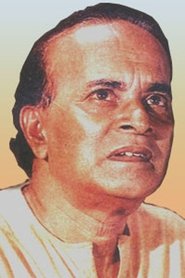
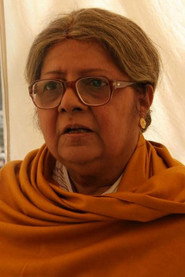



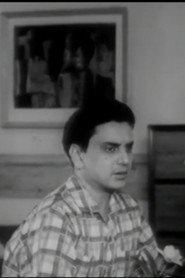



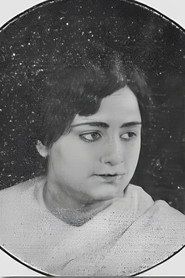

Beyond Subho O Debotar Gras
Explore other films featuring the people behind this movie.
Subho O Debotar Gras FAQs
Answers from the movie information available in our catalogue.
What is the original language of Subho O Debotar Gras?
Subho O Debotar Gras is listed as a Bengali-language movie in our catalogue. Dubbed versions are not tracked here.
What release date is listed for Subho O Debotar Gras?
Our source metadata lists 4 December 1964. Release dates can vary by country and may change; this does not confirm current cinema screenings.
Who directed Subho O Debotar Gras?
The listed director is Partha Pratim Chowdhury.
Who is in the cast of Subho O Debotar Gras?
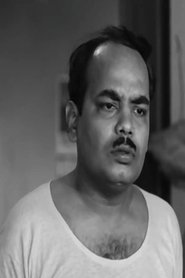
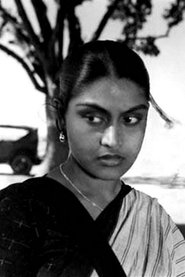
The available cast credits include Rabi Ghosh, Lily Chakravarty, Sharmila Tagore, Bikash Roy, Kali Bannerjee. See Cast & crew above for the available character names and profile links.
What type of movie is Subho O Debotar Gras?
The source lists these genres: Drama.
What is the original title of Subho O Debotar Gras?
The original title in our source data is শুভ ও দেবতার গ্রাস. The English-letter display name may be a romanization.
What is Subho O Debotar Gras about?
Subho O Debotar Gras was a film in 2 parts- one was the story of the deaf-mute Shubha who features in a short story by Rabindranath Tagore & the second part was based on the poem titled "Debotar Gras", in which Tagore describes the frantic desire of a dip in holy waters during the Ganga Sagar pilgrimage as well as the selfishness of the pilgrims.