THE INDIAN CINEMA GUIDE

Hindi CINEMA · 1938
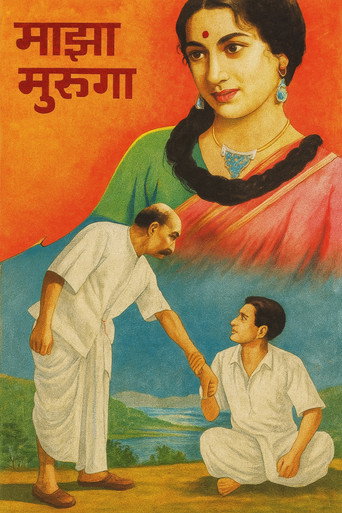
Mera Ladka
Overview
Radical journalist Diwakar clashes with his traditional father and a scheming politician, Vithalrao, who seizes his newspaper. Disgusted, Diwakar leaves home. His wealthy girlfriend, Nalini, initially supports Vithalrao but later campaigns for Diwakar, who represents slum-dwellers in an election. Despite her father's support, Nalini urges voters for Diwakar. Nalini wins, but Diwakar's loss is depicted as a moral victory, critiquing middle-class materialism.
A closer look
Mera Ladka (1938) is a Hindi-language Indian movie. Directed by K. Narayan Kale. The cast includes Shanta Hublikar, Ulhas, Vasant Thengadi, Sundarabai. Runtime: 161 minutes.
Cast & crew

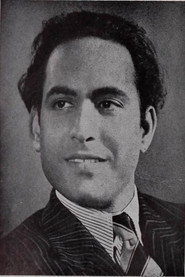
Beyond Mera Ladka
Explore other films featuring the people behind this movie.
Mera Ladka FAQs
Answers from the movie information available in our catalogue.
What is the original language of Mera Ladka?
Mera Ladka is listed as a Hindi-language movie in our catalogue. Dubbed versions are not tracked here.
What release date is listed for Mera Ladka?
Our source metadata lists 1 July 1938. Release dates can vary by country and may change; this does not confirm current cinema screenings.
Who directed Mera Ladka?
The listed director is K. Narayan Kale.
Who is in the cast of Mera Ladka?
The available cast credits include Shanta Hublikar, Ulhas, Vasant Thengadi, Sundarabai, Shahu Modak. See Cast & crew above for the available character names and profile links.
How long is Mera Ladka?
The recorded runtime is 161 minutes. Different cuts or releases may have a different duration.
What is Mera Ladka about?
Radical journalist Diwakar clashes with his traditional father and a scheming politician, Vithalrao, who seizes his newspaper. Disgusted, Diwakar leaves home. His wealthy girlfriend, Nalini, initially supports Vithalrao but later campaigns for Diwakar, who represents slum-dwellers in an election. Despite her father's support, Nalini urges voters for Diwakar. Nalini wins, but Diwakar's loss is depicted as a moral victory, critiquing middle-class materialism.