THE INDIAN CINEMA GUIDE

Hindi CINEMA · 1968
A Tale of Four Cities
Char Shaher Ek Kahani 1968
Audience rating
Source: TMDB1 votes
Overview
In "Char Shaher Ek Kahani" (1968), K.A. Abbas contrasts official images of India’s industrial progress with stark footage of urban poverty and Bombay’s red-light district. The 16-minute documentary became a landmark censorship case after the Central Board of Film Certification objected to its depiction of prostitution, leading Abbas to successfully challenge the decision in the Supreme Court.
A closer look
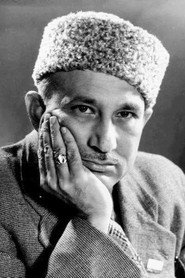
A Tale of Four Cities (1968) is a Hindi-language Indian movie. Genres: Documentary. Directed by Khwaja Ahmad Abbas. Runtime: 16 minutes.
Cast & crew
Beyond A Tale of Four Cities
Explore other films featuring the people behind this movie.
A Tale of Four Cities FAQs
Answers from the movie information available in our catalogue.
What is the original language of A Tale of Four Cities?
A Tale of Four Cities is listed as a Hindi-language movie in our catalogue. Dubbed versions are not tracked here.
What release date is listed for A Tale of Four Cities?
Our source metadata lists 1 January 1968. Release dates can vary by country and may change; this does not confirm current cinema screenings.
Who directed A Tale of Four Cities?
The listed director is Khwaja Ahmad Abbas.
How long is A Tale of Four Cities?
The recorded runtime is 16 minutes. Different cuts or releases may have a different duration.
What type of movie is A Tale of Four Cities?
The source lists these genres: Documentary.
What is the original title of A Tale of Four Cities?
The original title in our source data is Char Shaher Ek Kahani 1968. The English-letter display name may be a romanization.
What is A Tale of Four Cities about?
In "Char Shaher Ek Kahani" (1968), K.A. Abbas contrasts official images of India’s industrial progress with stark footage of urban poverty and Bombay’s red-light district. The 16-minute documentary became a landmark censorship case after the Central Board of Film Certification objected to its depiction of prostitution, leading Abbas to successfully challenge the decision in the Supreme Court.