THE INDIAN CINEMA GUIDE

Hindi CINEMA · 1993
Moksha
Overview
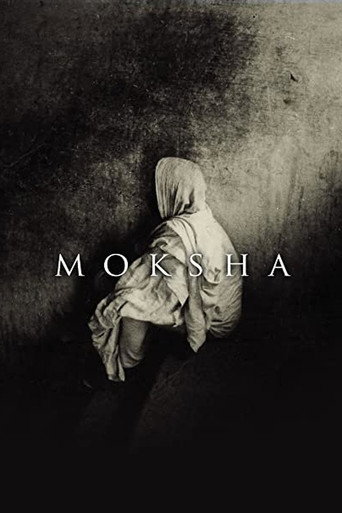
Abandoned by their families to lives of penury, marked by white veils which they wear, Bengali widows find solace and food in the ashrams of Vrindavan where they gather every morning and evening to sing religious songs. In this profoundly moving documentary on widowhood portrayed both as social institution and personal tradition, moments of astonishing sensuous beauty alternate with rhythms of anguish. In the best of the new ethnographic tradition, ‘Moksha’ de-centres the voices of authority and allows a plurality of voices to introduce contesting positions. Haunting in it_s evocation of grief and anger, the film transcends documentary and assumes it_s place in the great tradition of lamentation, the expression of the dark night of the human soul.
A closer look
Moksha (1993) is a Hindi-language Indian movie. Genres: Documentary. Directed by Pankaj Butalia. Runtime: 80 minutes.
Cast & crew

Beyond Moksha
Explore other films featuring the people behind this movie.
Moksha FAQs
Answers from the movie information available in our catalogue.
What is the original language of Moksha?
Moksha is listed as a Hindi-language movie in our catalogue. Dubbed versions are not tracked here.
What release date is listed for Moksha?
Our source metadata lists 1 January 1993. Release dates can vary by country and may change; this does not confirm current cinema screenings.
Who directed Moksha?
The listed director is Pankaj Butalia.
How long is Moksha?
The recorded runtime is 80 minutes. Different cuts or releases may have a different duration.
What type of movie is Moksha?
The source lists these genres: Documentary.
What is Moksha about?
Abandoned by their families to lives of penury, marked by white veils which they wear, Bengali widows find solace and food in the ashrams of Vrindavan where they gather every morning and evening to sing religious songs. In this profoundly moving documentary on widowhood portrayed both as social institution and personal tradition, moments of astonishing sensuous beauty alternate with rhythms of anguish. In the best of the new ethnographic tradition, ‘Moksha’ de-centres the voices of authority and allows a plurality of voices to introduce contesting positions. Haunting in it_s evocation of grief and anger, the film transcends documentary and assumes it_s place in the great tradition of lamentation, the expression of the dark night of the human soul.