THE INDIAN CINEMA GUIDE
Bengali CINEMA · 1990
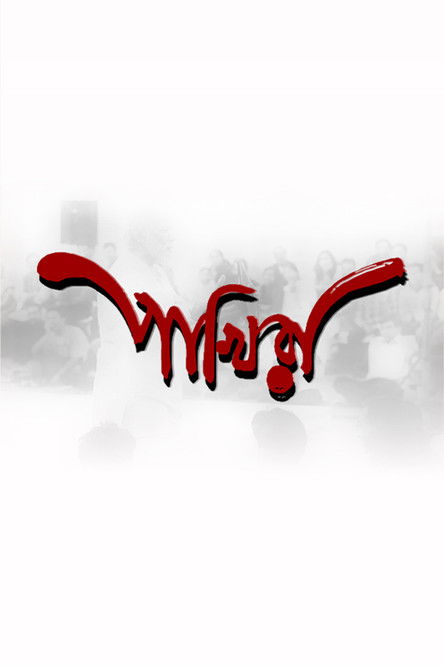
Pakhira (The Birds) Bengali Movie
পাখিরা
The Third Theatre Movement
Overview
A documentary capturing Badal Sircar's revolutionary "Third Theatre" movement. It uses the political satire of his play to showcase theatre as a tool for social change. Filmed in public spaces, it blends performance footage with Sircar's narration, highlighting the need for collective action against oppression.
A closer look
Pakhira (The Birds) (1990) is a Bengali-language Indian movie. Genres: Documentary. Directed by Asim Chaudhuri, Debashis Chakraborty, Sivananda Mukherjee. The cast includes Badal Sircar, Satabdi, Pathasena, Halisahar Sanskritik Sangha. Runtime: 45 minutes.
Cast & crew

Pakhira (The Birds) FAQs
Answers from the movie information available in our catalogue.
What is the original language of Pakhira (The Birds)?
Pakhira (The Birds) is listed as a Bengali-language movie in our catalogue. Dubbed versions are not tracked here.
What release date is listed for Pakhira (The Birds)?
Our source metadata lists 31 August 1990. Release dates can vary by country and may change; this does not confirm current cinema screenings.
Who directed Pakhira (The Birds)?
The listed directors are Asim Chaudhuri, Debashis Chakraborty, Sivananda Mukherjee.
Who is in the cast of Pakhira (The Birds)?
The available cast credits include Badal Sircar, Satabdi, Pathasena, Halisahar Sanskritik Sangha, Agnibina. See Cast & crew above for the available character names and profile links.
How long is Pakhira (The Birds)?
The recorded runtime is 45 minutes. Different cuts or releases may have a different duration.
What type of movie is Pakhira (The Birds)?
The source lists these genres: Documentary.
What is the original title of Pakhira (The Birds)?
The original title in our source data is পাখিরা. The English-letter display name may be a romanization.
What is Pakhira (The Birds) about?
A documentary capturing Badal Sircar's revolutionary "Third Theatre" movement. It uses the political satire of his play to showcase theatre as a tool for social change. Filmed in public spaces, it blends performance footage with Sircar's narration, highlighting the need for collective action against oppression.