THE INDIAN CINEMA GUIDE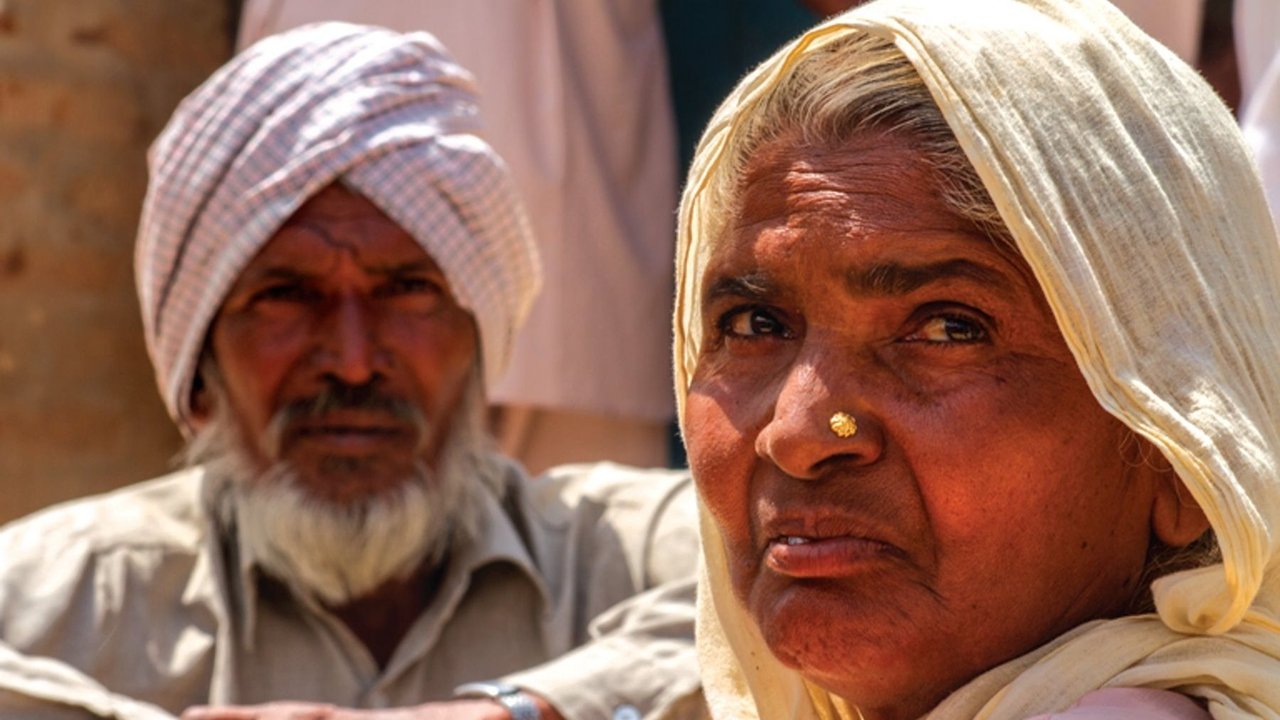
Overview
Women of rural Punjab have long forgotten to sing the songs of harvest in the midst of escalating farm suicides. The Film witnesses the march of widows of the 'Green Revolution' in Punjab as they re-negotiate the rules of engagement and the politics of domination, in their bid to survive. For the first time, Candles in the Wind tells the story from inside this area, known as the green reserve of India, a place which is relentlessly transforming itself into a social desert, where women are obliged to take over dramatic situations without any form of protection or assistance. Their struggle gives us a window into the social-economic flux in rural India - a nuanced understanding of the silent under-currents of a gender-specific struggle in the larger narrative of surviving as a farmer in these times.
A closer look
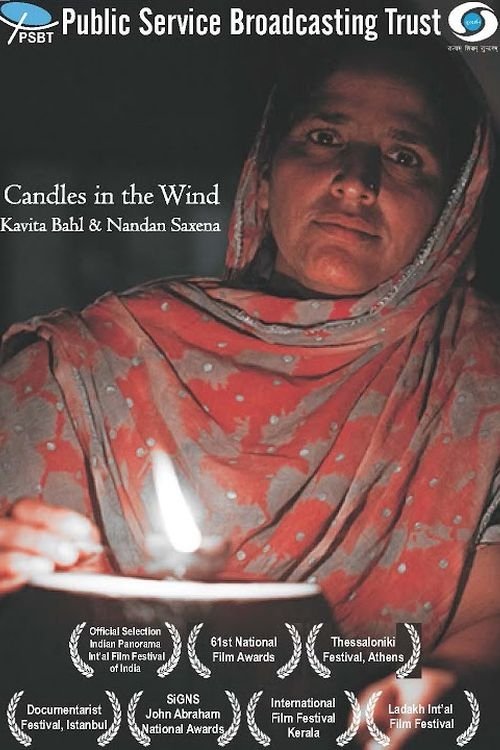
Candles in the Wind (2013) is a Punjabi-language Indian movie. Directed by Kavita Bahl, Nandan Saxena. The cast includes Nandan Saxena, Kavita Bahl. Runtime: 52 minutes.
Cast & crew

Beyond Candles in the Wind
Explore other films featuring the people behind this movie.
Candles in the Wind FAQs
Answers from the movie information available in our catalogue.
What is the original language of Candles in the Wind?
Candles in the Wind is listed as a Punjabi-language movie in our catalogue. Dubbed versions are not tracked here.
What release date is listed for Candles in the Wind?
Our source metadata lists 1 January 2013. Release dates can vary by country and may change; this does not confirm current cinema screenings.
Who directed Candles in the Wind?
The listed directors are Kavita Bahl, Nandan Saxena.
Who is in the cast of Candles in the Wind?
The available cast credits include Nandan Saxena, Kavita Bahl. See Cast & crew above for the available character names and profile links.
How long is Candles in the Wind?
The recorded runtime is 52 minutes. Different cuts or releases may have a different duration.
What is Candles in the Wind about?
Women of rural Punjab have long forgotten to sing the songs of harvest in the midst of escalating farm suicides. The Film witnesses the march of widows of the 'Green Revolution' in Punjab as they re-negotiate the rules of engagement and the politics of domination, in their bid to survive. For the first time, Candles in the Wind tells the story from inside this area, known as the green reserve of India, a place which is relentlessly transforming itself into a social desert, where women are obliged to take over dramatic situations without any form of protection or assistance. Their struggle gives us a window into the social-economic flux in rural India - a nuanced understanding of the silent under-currents of a gender-specific struggle in the larger narrative of surviving as a farmer in these times.