THE INDIAN CINEMA GUIDE
Overview
It's the story of a boy who finds enlightenment by experiencing religious hipocrisy and dogmatism. Dnyaneshwar liberated the "divine knowledge" locked in the Sanskrit language to bring that knowledge into Prakrit (Marathi) and made it available to the common man.
A closer look
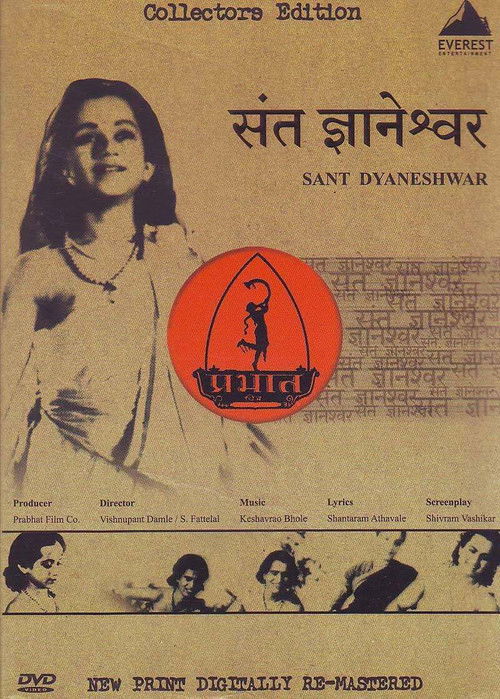
Saint Dnyaneshwar (1940) is a Marathi-language Indian movie. Genres: Drama. Directed by Sheikh Fattelal, Vishnupant Govind Damle. The cast includes Shahu Modak, Datta Dharmadhikari, Pandit, Tamhankar. Runtime: 139 minutes.
Cast & crew

Beyond Saint Dnyaneshwar
Explore other films featuring the people behind this movie.
Saint Dnyaneshwar FAQs
Answers from the movie information available in our catalogue.
What is the original language of Saint Dnyaneshwar?
Saint Dnyaneshwar is listed as a Marathi-language movie in our catalogue. Dubbed versions are not tracked here.
What release date is listed for Saint Dnyaneshwar?
Our source metadata lists 18 May 1940. Release dates can vary by country and may change; this does not confirm current cinema screenings.
Who directed Saint Dnyaneshwar?
The listed directors are Sheikh Fattelal, Vishnupant Govind Damle.
Who is in the cast of Saint Dnyaneshwar?
The available cast credits include Shahu Modak, Datta Dharmadhikari, Pandit, Tamhankar, Shanta Majumdar. See Cast & crew above for the available character names and profile links.
How long is Saint Dnyaneshwar?
The recorded runtime is 139 minutes. Different cuts or releases may have a different duration.
What type of movie is Saint Dnyaneshwar?
The source lists these genres: Drama.
What is Saint Dnyaneshwar about?
It's the story of a boy who finds enlightenment by experiencing religious hipocrisy and dogmatism. Dnyaneshwar liberated the "divine knowledge" locked in the Sanskrit language to bring that knowledge into Prakrit (Marathi) and made it available to the common man.